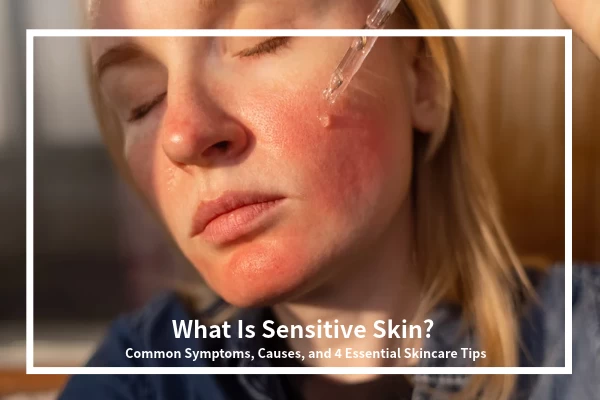
What Is Sensitive Skin? Common Symptoms, Causes, and 4 Essential Skincare Tips
文章目錄
Does your face sting or turn red after trying a new skincare product? Does a sudden change in weather leave your skin feeling dry, itchy, or tight? If these experiences sound familiar, you may have sensitive skin.
Sensitive skin has become an increasingly common skincare concern, yet many people are still unsure how to manage it. It can be difficult to tell the difference between skin sensitivity and an allergic reaction, and choosing the wrong skincare products may make the problem worse.
In this article, we explain what sensitive skin is, how to recognize its common symptoms, and what you can do to keep your skin comfortable and healthy. Understanding your skin's needs can help you build a suitable skincare routine without constantly switching between products.
What Is Sensitive Skin?
There are many causes of sensitive skin, including genetics, lifestyle habits, excessive use of harsh skincare products, prolonged stress, and changes in climate. These factors may gradually increase skin sensitivity over time.
What Are the Common Symptoms of Sensitive Skin?
The following signs may help you recognize whether you have sensitive skin.
- Redness and warmth: Your face may become flushed after cleansing, trying new skincare products, experiencing temperature changes, or feeling stressed. A mild burning sensation may also occur, particularly around the cheeks.
- Stinging or tightness: You may experience a tingling or stinging sensation when applying skincare products, or your skin may feel tight immediately after washing. Even products labeled as gentle may sometimes cause discomfort.
- Dryness and flaking: Sensitive skin is often prone to dryness and small patches of peeling skin. These symptoms may become more noticeable during dry weather or seasonal changes and may persist even after moisturizing.
- Rashes and itching: Small bumps, itching, or irritation may develop after exposure to certain skincare products, environmental irritants, or weather changes. The exact trigger is not always easy to identify.
- Low tolerance to skincare products: Products that work well for most people may cause redness, stinging, or itching on sensitive skin. This can make it difficult to find products that suit your skin.
Sensitive Skin vs. Skin Allergy: What Is the Difference?
Understanding these differences can help you choose the right skincare approach and reduce the risk of recurring skin problems.
- Sensitive Skin
Skin sensitivity is generally associated with a weakened skin barrier and increased reactivity rather than a specific allergic immune response.Common triggers include friction, temperature changes, dry air, UV exposure, and certain skincare ingredients. These factors may cause redness, stinging, dryness, itching, or tightness.Since sensitive skin can react to a wide range of external factors, identifying a single trigger is often difficult. Skin reactions may also vary depending on the environment and the current condition of your skin.
- Skin Allergy
A skin allergy occurs when the immune system reacts to a specific allergen. Common allergens include certain fragrances, preservatives, metals, pollen, and dust mites.Exposure to an allergen may cause rashes, itching, swelling, or hives. Similar reactions may occur whenever the skin is exposed to the same allergen again.If you suspect a skin allergy, consult a dermatologist. Allergy testing, such as patch testing when appropriate, may help identify the cause and prevent repeated reactions.
| Comparison | Sensitive Skin | Skin Allergy |
|---|---|---|
| Main Cause |
Weakened skin barrier and increased skin reactivity |
Immune response to a specific allergen |
| Common Triggers | Various environmental factors and skincare ingredients | Specific allergens |
| Symptoms |
Redness, stinging, dryness, and tightness
|
Rashes, hives, itching, and swelling |
| Management |
Support the skin barrier and reduce irritation
|
Avoid known allergens and seek medical advice when necessary |
How to Care for Sensitive Skin: 4 Essential Skincare Tips
The key to caring for sensitive skin is to support the skin barrier and reduce unnecessary irritation. The following four skincare habits can help maintain a healthier and more comfortable skin condition.
Simplify Your Skincare Routine and Avoid Over-Cleansing
- Gentle cleansing
- Moisturizing
- Sun protection
Choose products with gentle formulations, preferably free from added fragrance and drying alcohols. Avoid introducing too many new products at the same time.
Keep Your Skin Moisturized and Support the Skin Barrier
- Hyaluronic Acid: Attracts and retains moisture, helping keep the skin hydrated and supple.
- Ceramides: Replenish essential skin barrier lipids and help strengthen the skin's natural protective function.
- Panthenol (Pro-Vitamin B5): Helps soothe discomfort, maintain hydration, and support skin barrier recovery.
- Madecassoside: A compound derived from Centella asiatica that helps soothe sensitive skin and reduce the appearance of redness.
A gentle, well-balanced moisturizing formula can help maintain skin comfort and support long-term skin barrier health.
Make Sun Protection a Daily Habit
A gentle, fragrance-free sunscreen with a comfortable texture can make daily sun protection easier to maintain.
Pay Attention to Your Diet and Lifestyle
Your skin is influenced not only by the products you apply but also by your daily diet and lifestyle.
Certain foods and beverages may trigger or worsen redness, warmth, or discomfort in some individuals, particularly those prone to facial flushing.
Here are a few dietary habits worth considering:
• Limit spicy foods and alcohol: Both may cause blood vessels to dilate, making facial redness and flushing more noticeable.
• Moderate your intake of refined sugar: A balanced diet with less added sugar can support overall skin health.
• Eat more antioxidant-rich foods: Fruits and vegetables provide vitamins C and E, along with plant-based antioxidants that help support healthy skin.
Food-related triggers vary from person to person. Paying attention to how your skin responds to different foods may help you identify habits that contribute to discomfort.
Getting enough sleep and managing daily stress may also help maintain a healthier skin condition.
Conclusion: Consistent Daily Skincare Makes a Difference
If symptoms persist, become more severe, or appear to be related to a specific allergen, consult a dermatologist for professional advice and appropriate care.
Skincare OEM/ODM Services | MAXGUT Biochemical
Recommended Reading
Update: 2026-11-24